News
For thirty years, Legal Netlink Alliance has served the needs of clients worldwide.
Under the UK’s Transfer of Undertakings (Protection of Employment) rules, commonly known as TUPE, employees may transfer automatically to a new employer when a business changes hands, together with certain employment-related rights and liabilities.
But what happens when an employee is alleged to have caused harm to a third party before that transfer? Does the new employer also inherit liability for those historic actions?
Ed McFarlane Chattertons Partner Employment examines the decision and its practical implications below.
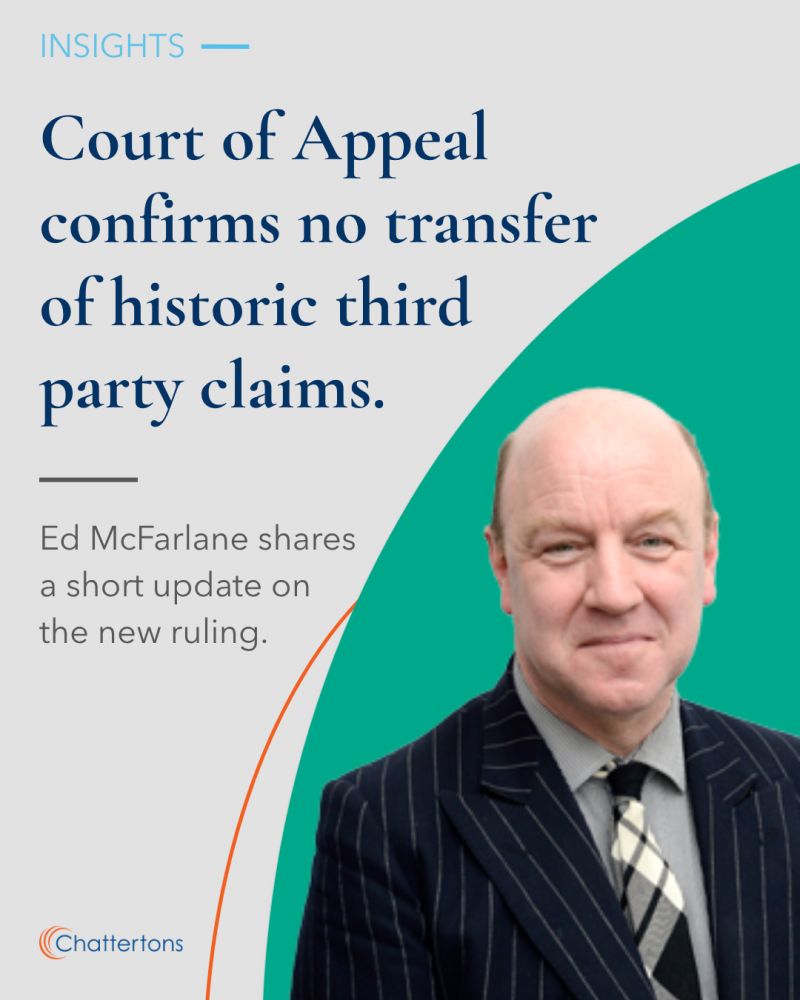
A significant new Court of Appeal judgment has clarified the relationship between TUPE and vicarious liability. In ABC v Huntercombe (No. 12) & others, the Court considered whether a business acquiring employees under TUPE also acquires liability for historic acts or omissions committed by those employees while working for their previous employer.
The Court of Appeal has confirmed that liability for third‑party claims arising from an employee’s pre‑transfer conduct does not transfer under TUPE.
This means that if an employee previously caused harm to a third party, for example through negligence, an accident or other alleged wrongdoing, the new employer is not responsible for those historic acts once the employee transfers.
The claim involved alleged mistreatment of a hospital patient by doctors. The hospital operator sold the business, and its staff transferred to a new operator under TUPE. The original employer later went into liquidation. The claimant pursued claims against:
The Court held that vicarious liability for the doctors’ alleged historic actions remained with the original employer, despite its insolvency. The new employer could not be held liable for acts occurring before the transfer.
This judgment provides welcome certainty for organisations involved in TUPE transfers:
Subject to any appeal to the Supreme Court, this decision sets a clear boundary on the extent of TUPE liability.
The full judgment is available here: https://caselaw.nationalarchives.gov.uk/ewca/civ/2026/1161
.png)
.jpg)
.jpg)